

Municipal Solid Waste Management Plan

Project's name: Municipal Solid Waste Management Plan
Client: waed
Kind of Services: MSW Management Plan
Description:
Municipal Solid Waste Management Plan
In Lebanon, about 1.57 Million tons of waste is generated per year and the number is expected to increase by 1.65 percent annually. Nationwide, an estimated 51 percent of all municipal solid waste (MSW) is landfilled, 32 percent is dumped, and the remaining 17 percent is recovered through sorting and composting.
AMB s.a.l. has been commissioned to help develop the strategy for the Collection and Disposal of Municipal Solid Waste in Metn Caza, Kesrouan Caza and Jbeil Caza in Lebanon. The proposal is divided into three separated schemes for each of: Collection, Public Cleaning, and Treatment and Disposal of Municipal Solid Waste (MSW).
The duration of the project, once awarded, is seven years and six months as follows: six months for Mobilization, followed by seven years for operation starting from the commencement date.
Our team of waste management experts and environmental engineers has developed a remarkable, yet reasonable and achievable plan to handle the municipal solid waste in the designated area, in addition to an innovative marketing strategy that incorporates public awareness and contribution to the ecological development.
Scope:
AMB scope was to:
Collect data from the field and analyze data Develop the Method Statement for MSW Collection Services & Public Cleaning Develop the Method Statement for MSW Disposal Services Develop Methodology Statement for Marketing of recyclables Prepare and fill and draft all Tender documents Suggest the pricing and Finalize Financial Module / Cost Budget Follow up all legal and administrative requirements for qualifying to submit the Tender with local and foreign partners. Delivered tender documents for contractor
Environmental Aspects:
Within the strategy, all necessary measures were taken into consideration to mitigate potential negative environmental impacts of operations, including:
Energy Consumption Efficiency Prevention of Odor, Air and Noise Emissions Collection and Treatment of Waste Water Ground & Soil Protection Collection & Treatment of leachates Minimization of Traffic Movements & Use of Fuel Maximize sorting and recycling efforts

Municipal Solid Waste Management Plan
In Lebanon, about 1.57 Million tons of waste is generated per year and the number is expected to increase by 1.65 percent annually. Nationwide, an estimated 51 percent of all municipal solid waste (MSW) is landfilled, 32 percent is dumped, and the remaining 17 percent is recovered through sorting and composting.
AMB s.a.l. has been commissioned to help develop the strategy for the Collection and Disposal of Municipal Solid Waste in Metn Caza, Kesrouan Caza and Jbeil Caza in Lebanon. The proposal is divided into three separated schemes for each of: Collection, Public Cleaning, and Treatment and Disposal of Municipal Solid Waste (MSW).
The duration of the project, once awarded, is seven years and six months as follows: six months for Mobilization, followed by seven years for operation starting from the commencement date.
Our team of waste management experts and environmental engineers has developed a remarkable, yet reasonable and achievable plan to handle the municipal solid waste in the designated area, in addition to an innovative marketing strategy that incorporates public awareness and contribution to the ecological development.
Scope:
AMB scope was to:
Collect data from the field and analyze data Develop the Method Statement for MSW Collection Services & Public Cleaning Develop the Method Statement for MSW Disposal Services Develop Methodology Statement for Marketing of recyclables Prepare and fill and draft all Tender documents Suggest the pricing and Finalize Financial Module / Cost Budget Follow up all legal and administrative requirements for qualifying to submit the Tender with local and foreign partners. Delivered tender documents for contractor
Environmental Aspects:
Within the strategy, all necessary measures were taken into consideration to mitigate potential negative environmental impacts of operations, including:
Energy Consumption Efficiency Prevention of Odor, Air and Noise Emissions Collection and Treatment of Waste Water Ground & Soil Protection Collection & Treatment of leachates Minimization of Traffic Movements & Use of Fuel Maximize sorting and recycling efforts
Operational Environmental Management Plan
Project's name: Operational Environmental Management Plan
Client: Lusail District Cooling Facility
Kind of Services: OEM Plan
Description:
About the project
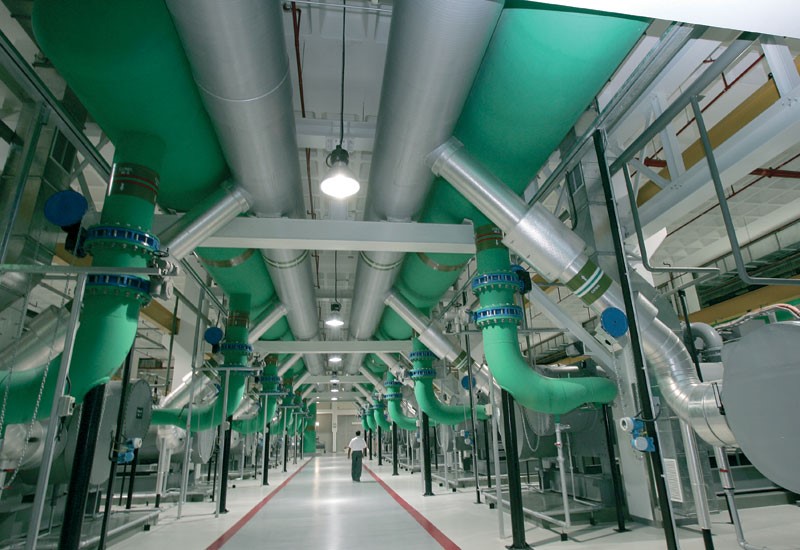
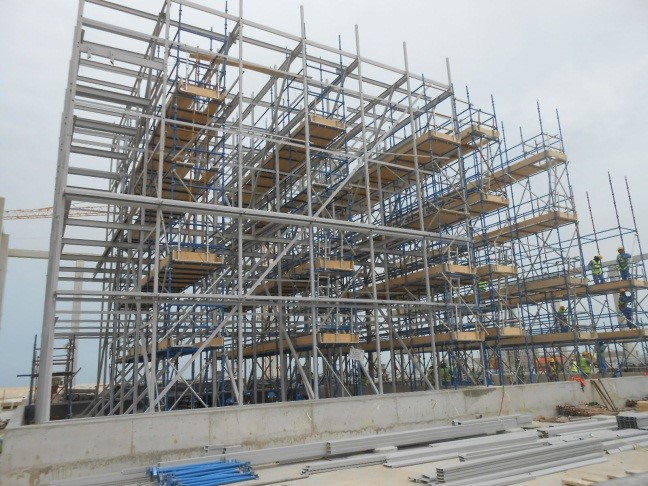
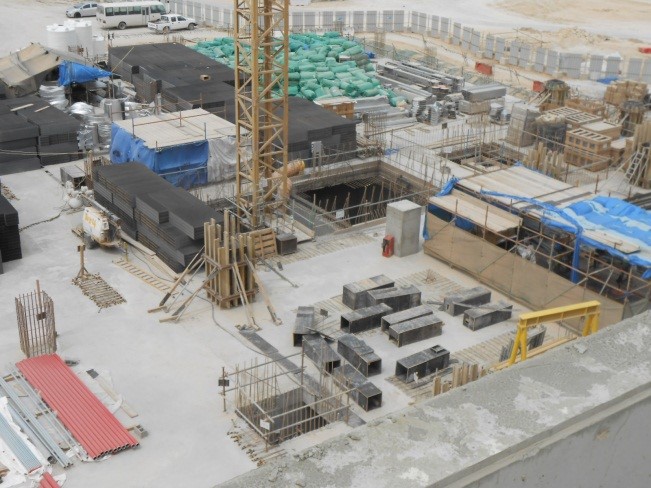
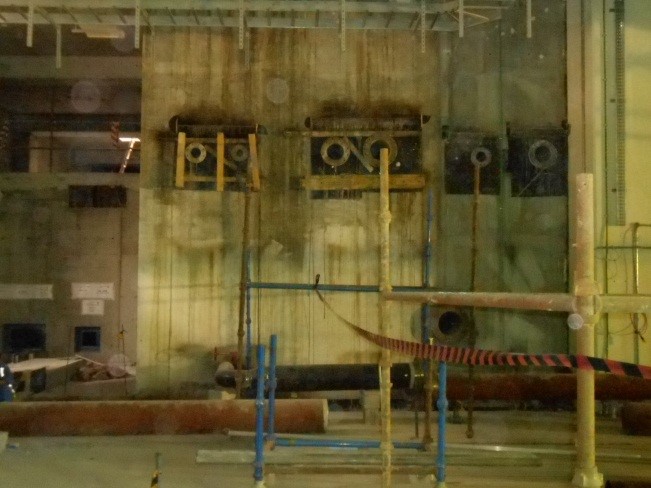
The Lusail District Cooling Facility project, located along the east coast of Doha, approximately 11 kilometers to the north of the city center, was introduced in the first quarter of 2014. It is anticipated that four District Cooling Facilities within the overall area will be constructed with a total production capacity estimated to be 230,000 tons of Refrigerant (*TR) serving 1,000 customers through a single network of 170 kilometers piping.
OEMP and its Objective?
The OEMP is an industry specific environment management plan developed to guarantee that environmental management practices and followed and to eliminate and control environmental impacts during commissioning and operation.
The preparation and implementation of an OEMP helps to ensure that the operation of various establishments does not directly or indirectly cause pollution of water, land, and air, in accordance with the requirements outlined in Protection and Development of the Environment laws of the country.
Scope
The primary objective of our support in this project is to assist ADC Energy Systems and the future operator to meet the current requirements of the MoE and to obtain MoE’s environmental approval for the future operation of the facility.
The Operational Environmental Management Plan has been commissioned by the ADC Energy Systems to AMB s.a.l. in order to respond to special environmental permitting condition issued by the Ministry of Environment (MoE) associated with the environmental permit {Ref: EP-310/10/14/1465}
Our Operational Environmental Management Plan (OEMP) has been structured in order to generally conform the requirements of the Environmental Management System Standard ISO: 14001:2004, Complemented by mitigation measures and monitoring programs mainly associated with the water cycle corresponding to phase I of the project.
About the project
The Lusail District Cooling Facility project, located along the east coast of Doha, approximately 11 kilometers to the north of the city center, was introduced in the first quarter of 2014. It is anticipated that four District Cooling Facilities within the overall area will be constructed with a total production capacity estimated to be 230,000 tons of Refrigerant (*TR) serving 1,000 customers through a single network of 170 kilometers piping.
OEMP and its Objective?
The OEMP is an industry specific environment management plan developed to guarantee that environmental management practices and followed and to eliminate and control environmental impacts during commissioning and operation.
The preparation and implementation of an OEMP helps to ensure that the operation of various establishments does not directly or indirectly cause pollution of water, land, and air, in accordance with the requirements outlined in Protection and Development of the Environment laws of the country.
Scope
The primary objective of our support in this project is to assist ADC Energy Systems and the future operator to meet the current requirements of the MoE and to obtain MoE’s environmental approval for the future operation of the facility.
The Operational Environmental Management Plan has been commissioned by the ADC Energy Systems to AMB s.a.l. in order to respond to special environmental permitting condition issued by the Ministry of Environment (MoE) associated with the environmental permit {Ref: EP-310/10/14/1465}
Our Operational Environmental Management Plan (OEMP) has been structured in order to generally conform the requirements of the Environmental Management System Standard ISO: 14001:2004, Complemented by mitigation measures and monitoring programs mainly associated with the water cycle corresponding to phase I of the project.

